SíAgro Modules
1. Food Production Modules
2. Food Processing Modules
3. Storage & Conditioning Modules
4. Water & Resource Modules
5. Biological & Circular Modules
6. Nature & Ecosystem Modules
7. Logistics & Marketing Modules
The optional value creation modules are not mandatory.
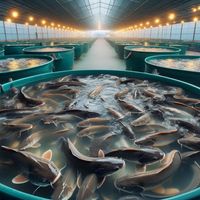
SíAgro Food Production
Decentralized production at farm level
1. Food Production Modules
- Fish farming (food fish)
- Hydroponics / vegetables & fruit
- Mushroom cultivation
- Herbs (fresh and dried)
- Aloe vera
- Horticulture / ornamental and crop plants
These modules enable decentralized food production directly on the farm.
They are designed for small to medium scales and can be adapted to local climate and site conditions. The goal is controlled, continuous production with short distances and high product quality.
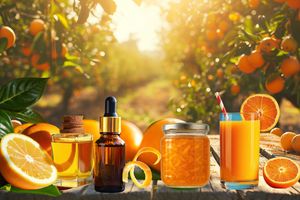
SíAgro Food Processing
Value creation through on-site processing
2. Food Processing Modules
- Juice processing
- Jam and marmalade production
- Drying modules (fruit, herbs)
- Smoking modules (with heat recovery)
- Oil pressing / small oil mill
- Preservation and conservation
These modules allow harvested products to be processed directly on site.
Surpluses can be preserved, refined or transformed into higher-value products. This increases flexibility in sales timing and improves income per kilogram.
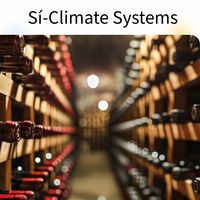
Storage & Conditioning Modules
Temporal decoupling of harvest and sale
3. Storage & Conditioning Modules
- Cold storage
- Controlled storage environments
- Ripening and holding modules
- Dry storage
These modules create stable temperature and humidity conditions for storage.
They allow products to be stored for weeks or months without immediate sale. This gives farmers time flexibility and stronger negotiating positions.
Water & Resource Modules
Securing essential operational resources
4. Water & Resource Modules
- Rainwater harvesting
- Water storage (cistern systems)
- Drinking water treatment
- Hot and cold water supply
- Irrigation buffering
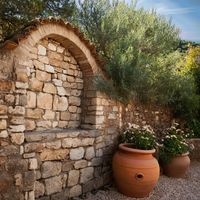
These modules focus on the collection, storage and use of water and thermal energy.
They reduce dependency on external infrastructure and stabilize farm operations. Water and energy are available where needed for storage, processing and irrigation.
Biological & Circular Modules
Utilization of natural cycles
5. Biological & Circular Modules
- Aquaculture by-products (nutrients)
- CO₂ utilization for hydroponics
- Nutrient recovery (nitrate / nitrite)
- Optional micro-biogas systems
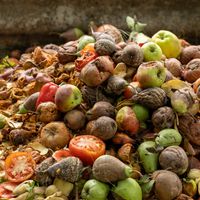
These modules link different production areas into functional cycles.
Nutrients and by-products are reused instead of discarded. This reduces input costs and supports resource-efficient farm systems.
Nature & Ecosystem Modules
Integration of biodiversity and pollination
6. Nature & Ecosystem Modules
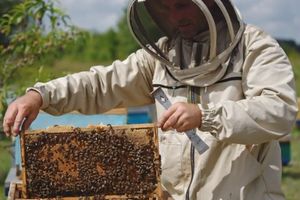
- Beekeeping (roof or perimeter modules)
- Pollination support
- Biodiversity elements
These modules strengthen ecological functions on the farm.
They support pollination, biodiversity and long-term system stability. At the same time, they can generate additional products or indirect yield benefits.

Logistics & Marketing Modules
Preparation for direct and cooperative marketing
7. Logistics & Marketing Modules
Packaging modules
- On-site product preparation
- Direct sales infrastructureMobile sales units (e.g. food trucks)
- Cooperative marketing structures
These modules support packaging, preparation and market access.
They enable direct sales, regional cooperation and flexible distribution models. The farm retains control over pricing, quantities and sales channels.